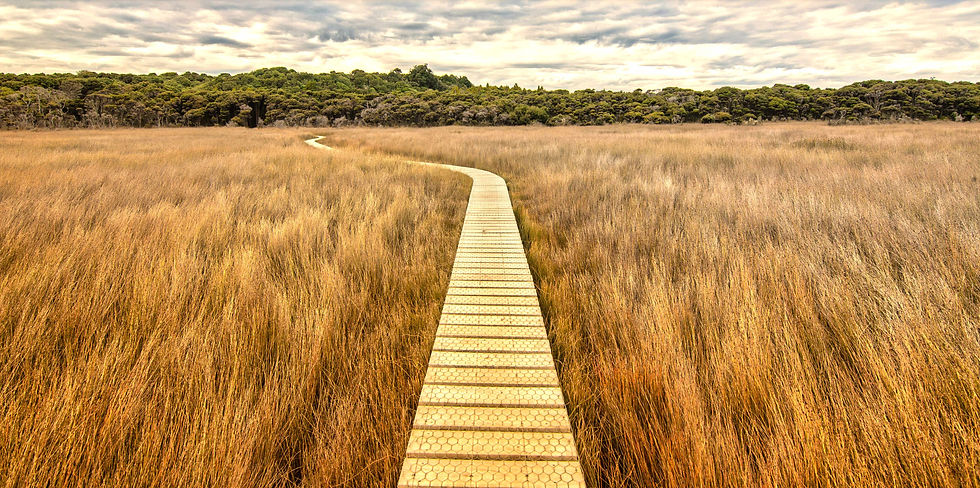


Slow Travel Philosophy: Why Travelling Slower Changes the Journey

Updated: Oct 12
Slow travel is not about doing less.
It is about noticing more.
It is the decision to leave room in the day: for a backroad, a small-town café, a conversation, a weather change, a fence line, a sunset, a river bend or a place that was never meant to be the headline.
At Best Bits Travel, slow travel is the opposite of rushing between landmarks. It is a way of travelling that values regional communities, scenic roads, local experiences, restorative landscapes and the quiet details that make a place memorable.
Not every journey needs an airport, a packed itinerary or a list of famous stops.
Sometimes the best travel begins when you slow down enough to see what is already around you.
The philosophy is simple.
“How much can I see?”
Instead, slow travel asks:
“How deeply can I experience where I already am?”
Why Slow Travel Matters
Modern travel often rewards speed:
more destinations
tighter itineraries
faster movement
endless checklists
But many of the most rewarding travel experiences happen in the spaces between major attractions.

Slow Travel & Regional Discovery
Some of the best slow travel experiences happen beyond major tourism corridors.
A quiet coastal drive. A conversation in a small-town café. A regional road with no fixed timetable. An extra night somewhere unexpected.
Discover:
quieter landscapes
smaller communities
local culture
hidden walking trails
scenic backroads
slower rhythms of daily life
This is why many Best Bits Travel guides focus on regional ecosystems rather than isolated attractions.
Slow Travel Is the Art of Noticing
Slow travel is not always about where you go.
Sometimes it is about what you notice once you are there.
A weathered fence post.
A changing sky.
A quiet roadside view.
A sunset watched properly.
A local track beside a river.
A town most people only use for fuel.
These details rarely appear on glossy brochures, but they often become the moments travellers remember most.
That is why Best Bits Travel includes photo essays and reflective travel pieces alongside practical guides. Posts such as Fences Through The Lens and Sunset Wellness: Nature’s Free Lightshow explore the everyday details that make travel feel personal, grounded and memorable.
How to Travel More Slowly
Slow travel does not require a month away or a remote destination.
Start small.
Choose one region instead of five.
Stay an extra night.
Drive the slower road.
Walk before you book another activity.
Visit the local museum.
Pause for sunset.
Leave space for weather.
Talk to someone who lives there.
Notice the fences, gardens, shopfronts, signs, tracks and views between the famous stops.
The goal is not to see less.
The goal is to stop treating the journey as space between attractions.
The goal is the joy in unexpected stops.
Regenerative Travel & Nature
Slow travel often overlaps with regenerative travel.
This means travelling in ways that:
support local communities
reduce environmental pressure
encourage longer stays
value conservation
deepen understanding of landscapes and ecosystems
Rather than treating destinations as consumable experiences, regenerative travel encourages travellers to become more thoughtful visitors.
Explore regenerative travel through:
Wellness, Rest & Circadian Travel
Slower travel also changes how journeys feel physically and emotionally.
Travel becomes less exhausting and more restorative when itineraries include:
longer stays
natural pacing
time outdoors
fewer rushed transitions
better sleep rhythms
opportunities to pause
Explore related guides:
Regional slow travel guides
Explore regional slow travel through:
These places reward travellers who move more slowly, look more carefully and give the journey room to unfold.
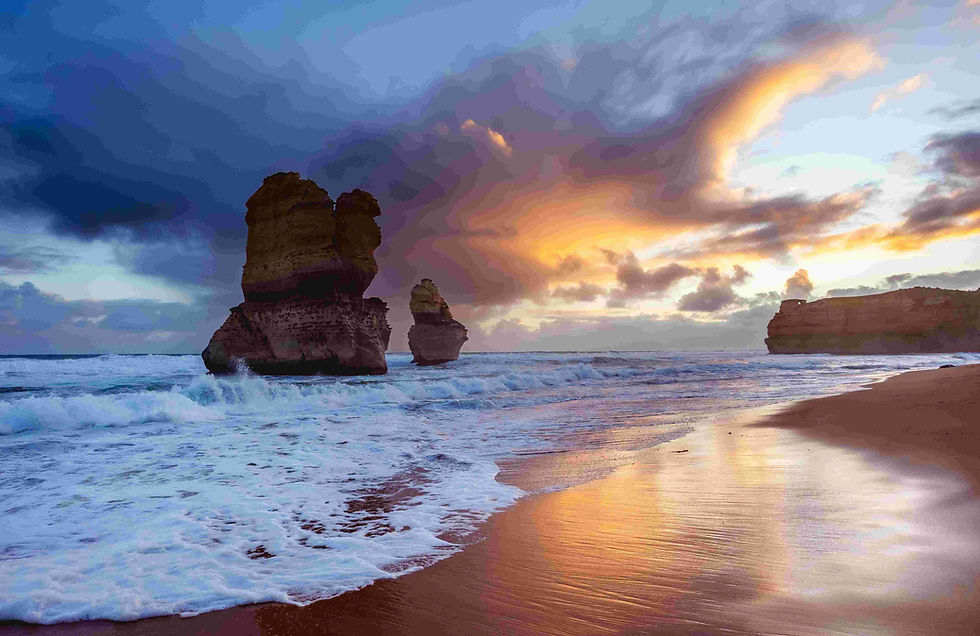
Slower Travel Creates Better Stories
Continue Exploring Slow Travel
Slow travel is not about seeing less.
It is about experiencing places more deeply, more thoughtfully and often more memorably.
FAQs
What is slow travel?
Slow travel means spending longer in fewer places, taking the slower road and leaving room in the day for unplanned stops, local conversations and small details. It is about noticing more, not doing less.
How do you start travelling more slowly?
Start small. Choose one region instead of five, stay an extra night, drive the slower road and leave space for the weather to change your plans.
Do you need a long holiday for slow travel?
No. A weekend in one regional town, a scenic backroad instead of the motorway, or an extra hour at a local museum all count. Slow travel is a way of travelling, not a length of trip.
Where are good places for slow travel in New Zealand and Australia?
Regional areas reward it most: the Catlins, the West Coast, the Coromandel loop and Waikato backroads in New Zealand, or the Mornington Peninsula, Gippsland and the Victorian Silo Art Trail in Australia.


