.jpg)


14 Sustainable Holiday Destinations in New Zealand

Updated: Oct 12
Northland to Rakiura, the deep South, NZ

Sustainable travel in New Zealand is no longer only about avoiding harm.
Increasingly, travellers are seeking destinations that support local communities, encourage slower exploration, protect natural environments, and create more meaningful experiences.
Across Aotearoa, there are places quietly leading the shift toward lower-impact and more intentional tourism, from regional towns and nature-focused escapes to destinations centred around conservation, wellbeing, and local connection.
This guide highlights sustainable holiday destinations that reflect the wider New Zealand Savvy Swaps philosophy of travelling more thoughtfully and experiencing more through slower travel.
1. Dive the Poor Knights Islands (Northland)
Give back: Supports one of the world’s most protected marine ecosystems
A fully protected marine reserve where no fishing or extraction is allowed. Visiting as a diver or snorkeller supports conservation-led tourism and helps preserve this untouched underwater environment.
🌿 2. Volunteer on Tiritiri Matangi Island (Auckland)
Give back: Direct contribution to reforestation and conservation
One of New Zealand’s most successful community-led restoration projects. Visitors can experience a thriving bird sanctuary; and even volunteer as part of ongoing conservation work.
For a deeper look at how slower travel rhythms support wellbeing and more meaningful journeys, explore Travel Philosophy: Circadian Travel.
🌄 3. Hike Sanctuary Mountain Maungatautari (Waikato)
Give back: Supports large-scale native species restoration
A predator-proof sanctuary protecting endangered wildlife. Walking here directly supports one of the most ambitious ecological restoration projects in the country.
🌋 4. Experience Whakarewarewa Living Māori Village (Rotorua)
Give back: Supports indigenous culture and sustainable living
A living Māori village where geothermal energy has been used sustainably for generations. This is cultural preservation in action; not performance.
🌱 5. Visit Rotokare Scenic Reserve (Taranaki)
Give back: Supports community-led conservation
A powerful example of local action built and maintained by volunteers. This predator-free sanctuary exists because of people, not policy.
🐦 6. Stay Overnight on Kapiti Island
Give back: Supports strict biodiversity protection
Visitor numbers are limited to protect the ecosystem. Staying overnight gives you a rare chance to experience nocturnal wildlife, including kiwi.
🌳 7. Explore Zealandia Ecosanctuary (Wellington)
Give back: Supports a 500-year urban restoration project
Just minutes from the city, this sanctuary is restoring native ecosystems at scale; proving conservation can thrive even in urban environments.
NZ Wetlands & Regenerative Travel: Savvy Swaps for nature-first travel experiences connected to restoration, biodiversity, and regenerative tourism in New Zealand.
✨ 8. Experience the Wairarapa Dark Sky Reserve
Give back: Protects natural darkness and Māori astronomy
A unique blend of environmental protection and cultural storytelling. Dark sky preservation supports both ecosystems and indigenous knowledge.
🚣 9. Kayak Abel Tasman (Project Janszoon)
Give back: Supports biodiversity restoration
Project Janszoon, a public–private conservation partnership, spent 14 years restoring the park before handing its work to DOC in 2026. Low-impact visits help protect one of NZ’s most iconic coastal environments.
🐋 10. Whale Watching in Kaikōura
Give back: Supports marine research and Māori-led tourism
Globally recognised for sustainable marine tourism, Kaikōura blends conservation, science, and local ownership.
🌿 11. Visit Okarito Lagoon (West Coast)
Give back: Supports preservation of untouched wetlands
One of New Zealand’s most pristine ecosystems. Quiet, low-impact travel here helps protect sensitive environments.
🏡 12. Stay at Camp Glenorchy (Otago)
Give back: Supports net-zero, low-impact tourism
A leading example of regenerative accommodation; where sustainability and comfort coexist.
🌲13. Explore Orokonui Ecosanctuary (Dunedin)
Give back: Protects rare species and native forest
A “cloud forest” sanctuary protecting endangered wildlife. Visitor funding directly supports conservation outcomes.
🐧14. See Blue Penguins at Pukekura (Otago Peninsula)
Give back: Funds predator-proof nesting and species recovery
A community-led project protecting the world’s smallest penguins. Your visit contributes directly to their survival.
🌌15. Stewart Island / Rakiura (Bonus Experience)
Give back: Supports kiwi conservation and dark sky protection
With one of the highest kiwi populations in New Zealand, this is one of the best places to see wildlife in its natural environment.
🔁 Savvy Swaps for Regenerative Travel
Small Choices, Big Impact
Instead | Try |
Overcrowded hotspots | Community-led destinations |
Passive sightseeing | Conservation experiences |
Fast itineraries | Slow travel |
👉 Regenerative travel often starts with where you choose to go ; and why. New Zealand is the #NZMUSTDO destination.
🔍 Researcher’s Perspective
Why Ōkārito Lagoon Stands Apart
Most travellers heading down the West Coast focus on the glaciers. But the more observant stop at Ōkārito Lagoon. As New Zealand’s largest unmodified wetland, it offers something increasingly rare.

Space, silence, and a landscape that hasn’t been shaped for visitors. There’s a stillness here that feels almost prehistoric, a reminder of what much of Aotearoa once was.

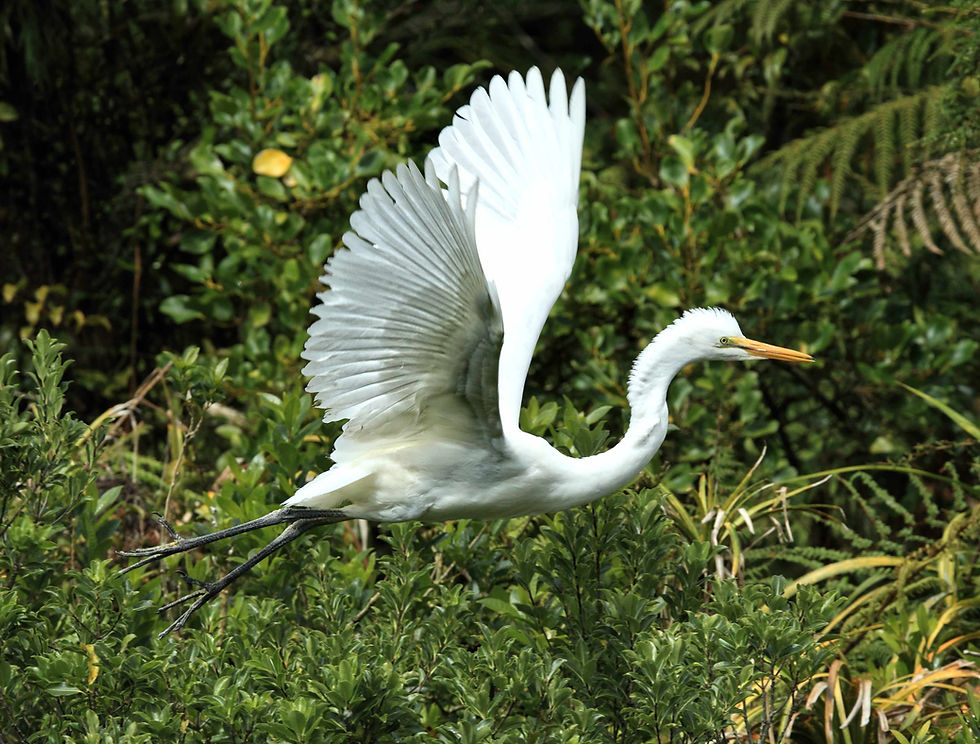
The best way to experience it is by kayak. Moving slowly across the water allows for a low-impact, near-silent approach to the lagoon’s ecosystem—home to the rare Kōtuku (White Heron) and a rich network of birdlife.

What sets Ōkārito apart isn’t just its beauty. It’s its lack of curation. This is not a destination designed for tourism. It’s a place where land and water merge, and where nature still dictates the pace. If you’re looking for a single experience that captures the essence of regenerative travel in New Zealand, this is it.
Where to stay
This post includes affiliate links. If you book through them, Best Bits Travel may earn a small commission at no extra cost to you.
FAQs
What does sustainable travel mean in New Zealand?
It means choosing experiences that support conservation and local communities, and travelling more slowly. Staying longer in fewer places and visiting community-run sanctuaries both make a real difference.
Where can you see kiwi in the wild?
An overnight stay on Kapiti Island and a visit to Stewart Island / Rakiura give you some of the best chances. Kiwi are nocturnal, so a guided night walk helps.
Do you need to book Kapiti Island ahead?
Yes. Visitor numbers are limited and you need a boat transfer, so book ahead, especially for overnight stays.
Which eco-sanctuaries are easy to visit from a city?
Zealandia is minutes from central Wellington, Orokonui is a short drive from Dunedin, and Tiritiri Matangi is a ferry ride from Auckland.
How do you visit predator-free islands responsibly?
Check your bags, shoes and gear for seeds, soil and pests before you board, and follow the biosecurity instructions you're given. Stay on tracks and take all rubbish with you.


