


Look Up: The Ultimate Guide to Australia’s Red Centre Dark Sky Sanctuaries
- Sarah-Jane Lee
- Mar 8
- 5 min read

Updated: Apr 17
Where the Lights Go Out: Stargazing the Red Centre
Unplug and let the starlight wash over you. The Australian Red Centre is the global capital for dark sky tourism. From dining under the stars at Uluru to scaling the rugged Kings Canyon Rim Walk or exploring the prehistoric gaps of the MacDonnell Ranges, Central Australia offers a celestial theatre found nowhere else on Earth.
In a world veiled by light pollution, the "Glowmad" movement flourishes here. In this crisp, desert air, the stars don’t just twinkle; they blaze. Whether you’re tracking the Milky Way season from a 100-meter sandstone cliff or learning the sacred stories of the First Astronomers, the desert night is a transformative journey into the heart of the cosmos.
At a Glance: The Red Centre Night Experience
Top Locations: Kings Canyon Rim, Ormiston Gorge (MacDonnell Ranges), and the Uluru-Kata Tjuta dunes.
Best Time to Visit: April to September for the clearest skies; aim for the New Moon phase for maximum star density.
The "9:00 AM Rule": During hot months, the Kings Canyon Rim Walk closes to new hikers at 9:00 AM if the forecast hits 36°C (97°F).
Night Safety: Guided night walks are strongly recommended for the Kings Canyon Rim due to uneven sandstone and 100m drops.
Cultural Connection: Look beyond Western constellations to find the "Emu in the Sky"; a masterpiece of Indigenous Astronomy. You are looking for dark shadows between the twinkle of stars.
Entry Requirement: A mandatory NT Park Pass is required for all national parks in the region.


The Savvy Swop: Deep Time over Digital Time
The Trap: Spending your Red Centre trip staring at a phone screen trying to capture a "perfect" sunset selfie.
The Swop: Engaging in Celestial Travel. This is the art of "maximalisation", slowing down to witness the rotation of the stars, a practice that reduces stress and restores a sense of perspective. Digital detox is a welcome bonus.
The Experience: Dining Under the Stars at Uluru
There is no "logistics" more humbling than a table set at the foot of Uluru. As the desert sun dips below the horizon, the monolith transitions from ochre to a deep violet, and the first "Celestial Spoke" begins.
The Sounds of Silence: This iconic experience has evolved for 2026 to include native-ingredient-led menus that mirror the landscape.
The Star Talk: Resident astronomers use laser pointers to trace the constellations, but the real magic happens when they go silent, allowing the "Vertical Immensity" of the desert night to take over.

Jay’s Tip: Don't be the tourist with the flash on. Your camera won't catch the stars, but your eyes will if you give them 20 minutes to adjust. Look up, actually be there.
Look up, actually be there.
✨ PRO-TIP:
Mobile First: Keep your sky-mapping apps on "Red Light District" mode to preserve your night vision.
Best "Star-Gazing" Pull-Overs
To make your journey a "well-oiled machine," we’ve identified the top logistical "Best Bits" for independent travellers. Use these custom map pins for low-friction, high-impact viewing:
Location | Why it's a "Best Bit" |
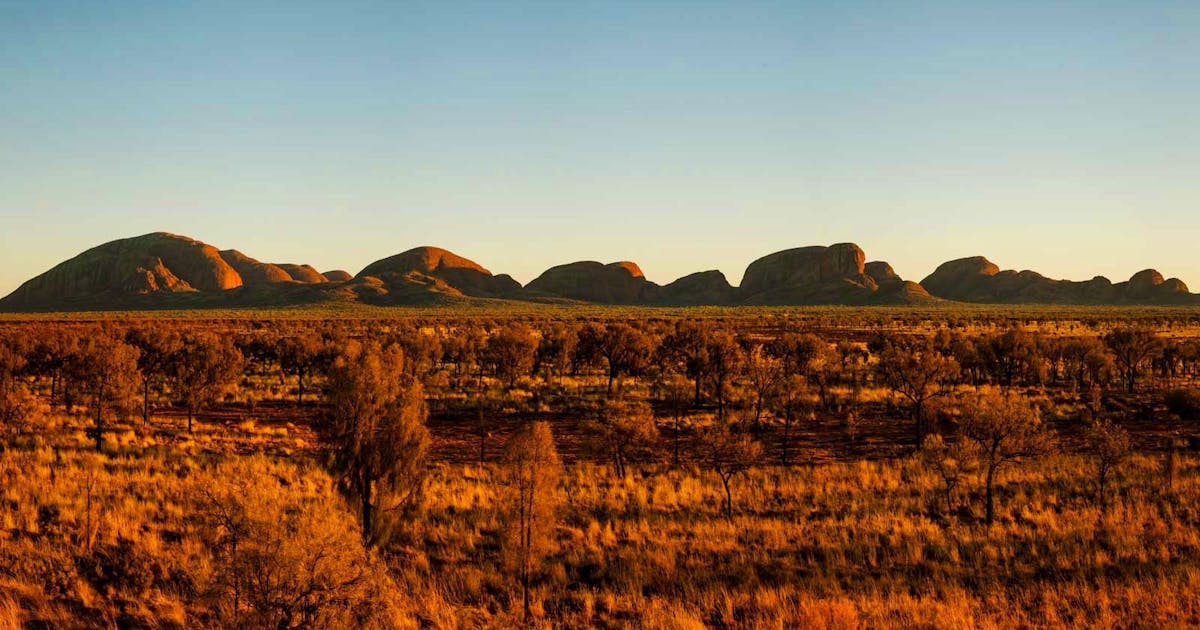
360-degree horizon views with zero light interference. Located 26 km along the road to Kata Tjuṯa, this short, easy walk offers a magnificent panoramic view of the domes and a relaxing place to sit and absorb this ever-changing landscape | |
Kings Canyon Car Park, Luritja Road.
| High-altitude viewing that feels like you’re touching the constellations.
|
The MacDonnell Ranges (Tjoritja) stretch over 600km across Central Australia. Ormiston Gorge (West Macs) – The Best All-Rounder Located 135km west of Alice Springs, this is far enough from town to achieve a Bortle Class 1 (perfectly dark) sky.
| Earth Sanctuary (East Macs) – The "Guided" Gold Standard Just 15 minutes south of Alice Springs, this award-winning eco-retreat is specifically designed for astronomy.
|

Jay’s Savvy Swap: The Night Drive
The Trap: Blasting your high beams at full speed to "make time" across the desert, missing the transition of the landscape and risking a costly encounter with a wandering kangaroo.
The Swap: Swap the "Midnight Dash" for a "Slow Burn" moonlit cruise. Drop your speed, dim the dashboard lights to reduce glare, and let your eyes adjust to the starlight reflecting off the salt pans and dunes.
✨ PRO-TIP : 🛠️ Red Centre Safety & Planning Checklist
Essential info for the Kings Canyon Rim Walk & MacDonnell Ranges.
1. The "9:00 AM Rule" (Heat Management)
The Policy: If the Bureau of Meteorology (BOM) forecasts a temperature of 36°C (97°F) or higher, you must start the Kings Canyon Rim Walk before 9:00 AM. Access is restricted after this time for your safety.
Stargazing Tip: While night walks are cooler, ensure you are off the Rim before the midday heat peaks the following morning.
2. Mandatory NT Park Pass
The Requirement: All visitors (excluding NT residents) must have a valid NT Park Pass to enter Watarrka (Kings Canyon) and Tjoritja (West MacDonnell) National Parks.
Booking: Purchase your pass online here.
3. Critical Gear for Night & Day
Water: Minimum 1 litre per hour of walking. There is no drinking water available on the Kings Canyon Rim.
Navigation: Download the Avenza Maps App and the specific park maps before you leave Alice Springs. They use your phone's GPS to track your location even without cell service.
Night Vision: Use a red-light headlamp for stargazing to preserve your night vision and minimise disturbance to nocturnal wildlife.
The Red Centre offers the ultimate Bortle-1 archive, but the night-sky narrative continues south; discover how the stars interact with the Victorian coastline in our Glowmad Guide to Victoria or how they illuminate the massive canvases of the Silo Art Trail Researcher's Guide
4. The "Stay With the Vehicle" Rule
If you are driving to remote stargazing spots in the MacDonnell Ranges and your vehicle breaks down: Stay with your car. A vehicle is much easier for search planes to spot than a lone hiker.
Communication: Do not rely on mobile phones. Carry a Satellite Phone or a PLB (Personal Locator Beacon) if heading to remote sections like the Larapinta Trail.
5. Respect the Rim
Stay at least 2 meters back from all cliff edges. The sandstone can be unstable, and the drops are over 100 meters.
Night Safety: Due to these "sheer drops" and uneven surfaces, solo night hiking on the Rim is strongly discouraged; consider a guided night tour instead.


