Responsible Travel: Sustainable Tourism in New Zealand
- Sarah-Jane Lee
- Mar 24
- 4 min read

Updated: 5 days ago
Volunteering, Conservation, and Actionable Steps
The Aotearoa Invitation: Action, Not Promises
Discover a place where you are more than just a number; you are a guardian. Aotearoa New Zealand issues an open invitation to travellers who care about their footprint and the legacy they leave behind.
At BestBits Travel Guide, we make no lofty promises about "tomorrow." We believe in practical steps taken today. Responsible travel starts with you, the visitor, accepting nothing less than the gold standard in conservation practices. It’s a personal commitment to balancing your experience with the protection of the destination.


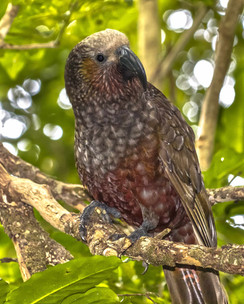


You don’t have to be a mountain to be beautiful. Wetlands are the world's lungs, yet they are an endangered landscape in New Zealand, with less than 10% of natural wetlands remaining. This is where land and water merge into a magical kingdom.
Why Wetlands Matter:
Water Circulation: They breathe life into the land’s hydration cycle.
The Nursery: Essential breeding grounds for native fish and aquatic life.
The Pit Stop: Critical food resources for migratory birds.
The Shield: A natural surge-protector that absorbs floodwaters.
Researcher’s Tip: Grab a kayak. Exploring a wetland from the water level is the best way to witness this "magical kingdom" without disturbing the fragile silt and root systems. NZJane's request: Wear a lifejacket even if the water is only knee high.
Tactical Field Guide: Sustainable Practices
Your holiday destination is someone’s home.
Here is how to support local economic and environmental health and archive your best memories.
The "Quick Wins" (Daily Impact)
Shop Local: Markets and owner-operated stores keep the economic benefit within the community.
Ditch the Plastic: NZ has banned single-use plastic bags. Carry your own, and skip the straws and plastic cutlery.
Water Archive: Use a filtered, refillable bottle. Tap water in NZ is world-class; don't pay for plastic.
The "Linen Rule": Daily laundering is unnecessary. Save water and energy.
Reef-Safe Sunscreen: Don't put chemicals into the water you just swam in.
The "Bigger Picture" (Planning Your Trip)
Off-Season Strategy: Spread the load. Visiting outside peak season reduces pressure on finite resources.
Eco-Stays: Look for accommodation with solar panels and sustainable waste disposal.
Light Packing: A lighter bag reduces fuel consumption on flights; a quiet but effective contribution.
Direct Routes: Whenever possible, fly direct to minimise your carbon footprint.
📜 The Conservation Archive: A Reality Check
New Zealand has lost many unique species since human arrival 1,000 years ago. From the extinction of the giant Moa bird to the loss of 90% of our wetlands, the data is sobering. Introduced predators like stoats and possums continue to threaten our flightless birds.
The Response:
30% Protected: Nearly a third of New Zealand’s land mass is now under protection.
The DOC Hub: The Department of Conservation acts as the systematic backbone of our national sustainability.
100% Pure: This isn't a marketing slogan; it's an invitation to our backyard.
🤝 The BestBits Model: How We Walk the Talk
We’ve moved away from promoting attractions that don’t align with these values. Our "Digital First" strategy ensures no paper waste, and we are proud contributors to the Trees that Count program.
Our Promise to the Community:
Free Archive Space: Charitable trusts and reserves receive complimentary advertising on our site—forever.
Value Alignment: We prioritise itineraries that highlight "the good work" being done on the ground.
Not sure where to go and how to plan your holiday responsibly? Check out the 15 Sustainable Holiday Destinations Map for ideas.
🌊 Wildlife & Cultural Guardianship
New Zealand was isolated for millions of years, evolving into a fascinating wildlife archive.
The SMART Marine Standard
When booking whale or dolphin encounters, look for the SMART permit (Sustainable Marine Mammal Actions in Recreation and Tourism). These operators are verified by the DOC to ensure minimal impact on marine life.
Tangata Whenua: People of the Land
Māori are the original guardians (Kaitiaki) of this land. Their culture and language are the heartbeat of New Zealand's identity. Traditional beliefs regarding the guardianship of land and sea are not just "Insta-moments"—they are ancient systems of sustainability that remain vital today.
🌲 The Ancient Botanical Archive
Evergreen forests are the "100% Pure" New Zealand. Our "bush" is a native, ancient plant landscape where seasonal changes are subtle. Instead of autumn leaf drops, enjoy the scent of native flowers and the damp, mossy glades where giant tree ferns flourish. It is an extraordinary sight—a living botanical time capsule unique to our corner of the Pacific.
Sustainable Travel FAQ
Q: Is sustainable travel more expensive in NZ?
Data: Not necessarily. While some eco-lodges are premium, many sustainable actions—like walking, using refillable bottles, and shopping at local markets—actually reduce your daily spend.
Q: How do I verify if a tour is actually "Green"?
Researcher’s Tip: Look for the Qualmark Gold or SMART logos. These are the "Verified Primary Sources" of NZ tourism ethics.
Q: Can I volunteer without a long-term commitment?
The Archive: Absolutely. Places like Zealandia and Tiritiri Matangi often have "Open Days" or short-term weeding bees. Always check the Department of Conservation (DOC) "Volunteer" portal before you arrive.
Q: Is "Carbon Offsetting" a scam?
The Savvy View: It’s not a scam, but it’s the last resort. Your first move should be "Carbon Reduction" (direct flights, lighter bags). Offsetting through a local NZ program like Trees That Count ensures the impact stays in the soil you’re walking on.



Comments