

Coromandel Through The Lens: Coastal Light, Hidden Roads & Atmospheric Landscapes

Updated: Jul 7
Photography, Weather & Slow Coastal Storytelling Across The Coromandel Peninsula
The Coromandel Peninsula is highly photogenic.
But its strongest images rarely come from postcard moments alone.
They emerge through:
changing weather
mist rolling across estuaries
wet coastal roads
empty beaches
pōhutukawa silhouettes
tidal reflections
and long pauses beside unexpected viewpoints
The Coromandel rewards photographers and slower travellers willing to:
stop often and observe carefully.
This is not simply a region of attractions.
It is a landscape of:
atmosphere
texture
light
and constantly shifting coastal moods. Continue exploring hidden beaches, scenic roads, and slower coastal journeys through the wider Coromandel Slow Travel Guide.
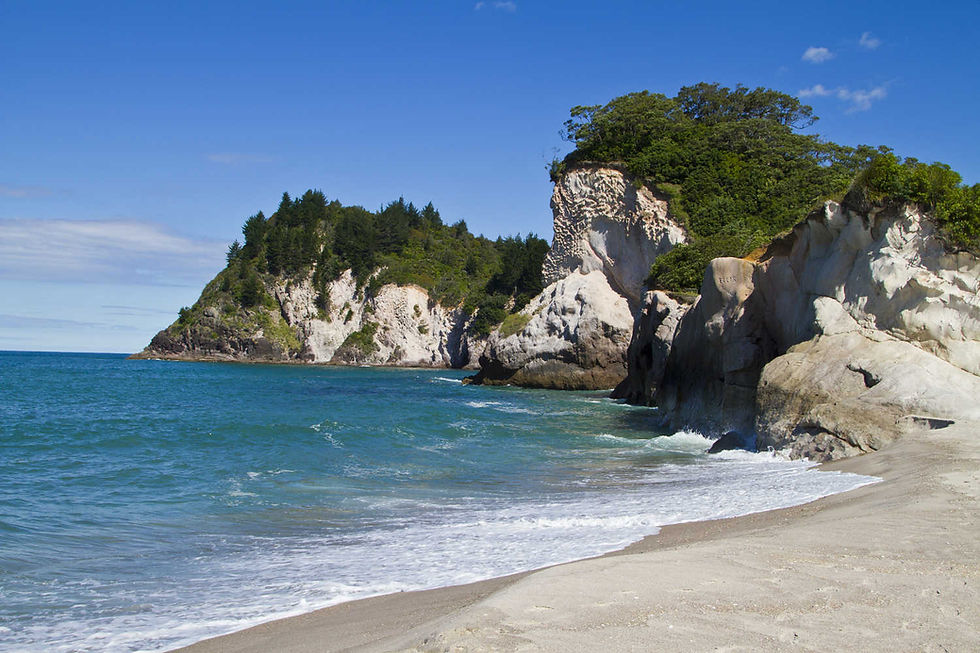
Sunrise through Pohutukawa trees at New Chums beach, Coromandel Peninsula White sand, rocky headlands framing the crescent shaped New Chums beach, Coromandel Peninsula.j White sand, rocky headlands framing the crescent shaped New Chums beach, Coromandel Peninsula.j Lonely Bay, top of the Coromandel Peninsula Hahei Beach on the walkway to Cathedral Cove Whitianga Marina moorings, Coromandel Peninsula Buffalo Beach at sunset, Coromandel Peninsula Waitete Bay, Coromandel Peninsula, North Island, New Zealand Waikawau Bay Beach sunrise, Coromandel, North Island, New Zealand
WHY THE COROMANDEL PHOTOGRAPHS SO WELL
The peninsula combines multiple landscapes within relatively short distances:
surf coastline
sheltered estuaries
volcanic hills
gravel roads
dense forest
wetlands
offshore islands
white sand beaches
Weather systems move quickly across the peninsula creating:
dramatic cloud formations
changing sea colours
shafts of coastal light
and highly atmospheric conditions
Even familiar locations can feel completely different within a few hours.
The gravel road to Fletcher Bay, tip of the Coromandel Peninsula Wild goat officially a pest eating its way thru NZ native bush Coroglen Tapu gravel road views of native NZ sub-tropical ferns Gravel roads through North Island sub-tropical forest from the Forgotten Highway to Coromandel
THE ROADS ARE PART OF THE STORY
Some of the Coromandel’s best photographic moments happen while driving between destinations.
The roads themselves become visual experiences:
winding coastal corners
gravel detours
pōhutukawa tunnels
ridgeline viewpoints
wet asphalt after rain
sea glimpses through forest
The journey constantly interrupts itself with:
“one more quick stop.”
Many of the peninsula’s strongest photography locations are found along scenic detours, gravel roads, and slower coastal routes.

ESTUARIES & TIDAL LIGHT
Places like:
Tairua
Opoutere
Ferry Landing
Cooks Beach
Whangamatā estuary
and Kūaotunu
shift dramatically with the tides.
Morning reflections, exposed sandbanks, moody cloud cover, and harbour mist create some of the peninsula’s strongest photography conditions.
The estuaries reward patience more than perfect weather. Kūaotunu combines estuary reflections, quiet roads, coastal forest, and hidden beaches that photograph beautifully during changing weather.
HIDDEN BEACHES & EMPTY SPACES
The Coromandel’s quieter beaches often feel visually stronger than the busiest destinations.
Places like:
Otama
New Chums
Onemana
Opito Bay
Lonely Bay
Te Karo Bay
and Opoutere
still retain moments of:
silence
scale
and natural isolation
especially:
early morning
shoulder season
or during unsettled weather.
Sea Cave inky depths nearby Cathedral Cove, Coromandel Coroglen Tapu gravel road views, Coromandel Peninsula tree ferns Rolling farmland, Coromandel gravel road 309 views 309 iconic Kauri tree reserve, Coromandel Peninsula Waiau waterfall Coromandel Peninsula Matarangi wharf at sunset, Coromandel Peninsula Kauri grove, Coromandel Peninsula Coromandel State Forest Lookout views from 309 gravel road, Coromandel on a misty winter morning
WEATHER IS PART OF THE EXPERIENCE
Many visitors wait for perfect sunshine.
But the Coromandel often looks best when:
rain moves offshore
cloud hangs low over hills
roads glisten
surf becomes rougher
or mist drifts through coastal valleys
The atmosphere becomes cinematic.
Some beaches feel more emotional during:
imperfect weather.
THROUGH THE LENS, BEST PHOTOGRAPHY CONDITIONS
Early Morning
Soft light, empty beaches, calmer wind.
Post-Rain Conditions
Reflections, mist, saturated colours, dramatic cloud.
Shoulder Season
Quieter roads and softer coastal atmosphere.
Golden Hour
Warm harbour light and pōhutukawa silhouettes.
Stormy Weather
Powerful surf, moving cloud systems, dramatic coastline.
PHOTOGRAPHY HOTSPOTS
Mount Paku
Layered estuary and coastline views.
Shakespeare Cliff
Sweeping Mercury Bay panoramas.
Otama Beach
Wide minimalist coastal compositions.
Thames Coast Road
Changing weather and western light.
Opoutere
Birdlife, dunes, estuary reflections.
Northern Coromandel
Remote roads, rugged coastline, isolation.
SLOW & REGENERATIVE TRAVEL
Photography naturally encourages slower travel.
The best images usually appear:
after waiting
walking further
revisiting locations
or simply remaining still longer than expected
The Coromandel rewards travellers who:
move slowly
support local communities
respect wildlife
and avoid rushing between destinations.
WHAT TO PACK
Polarising Filter
Excellent for estuaries and coastal reflections.
Weather Protection
Conditions change quickly.
Walking Shoes
Many viewpoints and beaches involve uneven access.
Patience
The best light often arrives unexpectedly.
CONCLUSION
The Coromandel Peninsula is not simply a destination to photograph.
It is a place that encourages:
observation
slower movement
weather watching
scenic wandering
and repeated unplanned stops beside the road.
The strongest memories often arrive quietly:
mist over an estuary
light breaking through the clouds
or an empty beach discovered slightly beyond where most travellers turn around.


