


Great Ocean Road to the Limestone Coast: A Slow Summer Road Trip

Every December and January, thousands of cars crawl along the Great Ocean Road, stop at the Twelve Apostles, take the same photo and turn back to Melbourne. They miss the best half of the trip.
Keep driving west and the crowds fall away. Past Warrnambool come the heritage streets of Port Fairy, the wild cliffs of Cape Bridgewater and a quiet border crossing into South Australia, where the Limestone Coast opens up with crater lakes, sinkholes, salt lakes and long empty beaches. This seven-day itinerary takes the Great Ocean Road the slow way and keeps going all the way to Robe.
At a glance
Route: Melbourne to Robe along the coast, about 750 km
Time: 7 days, with no more than about two hours' driving on any day
Best for: summer road-trippers who want the famous coast without the coach-tour crowds
When: November to March; book beds early for the December and January school holidays
New for 2026: you now need to book ahead to visit the Twelve Apostles
The Great Ocean Road itself runs 243 km from Torquay to Allansford, just east of Warrnambool. This trip drives all of it, then follows the coast on through western Victoria and over the border.
Day 1: Melbourne to Lorne
Leave the city early and head for Torquay, where the Great Ocean Road officially begins. Stop at Aireys Inlet for the walk up to Split Point Lighthouse, then follow the road as it starts to cling to the cliffs. Spend the night in Lorne, where the hills meet the beach and the waterfalls are close by.

Drive: about 2 hours, 140 km
Stops: Torquay, Aireys Inlet, Split Point Lighthouse, Teddy's Lookout above Lorne
Slow travel tip: the road is busiest late morning. Start early or late and the drive is a different experience.
Day 2: Lorne to Port Campbell
This is the road's most winding stretch, so take it slowly. Look for koalas in the trees at Kennett River, stop for lunch in Apollo Bay, then turn inland through the tall forest of the Otways. Walk the short rainforest loop at Melba Gully before dropping back to the coast at Port Campbell.
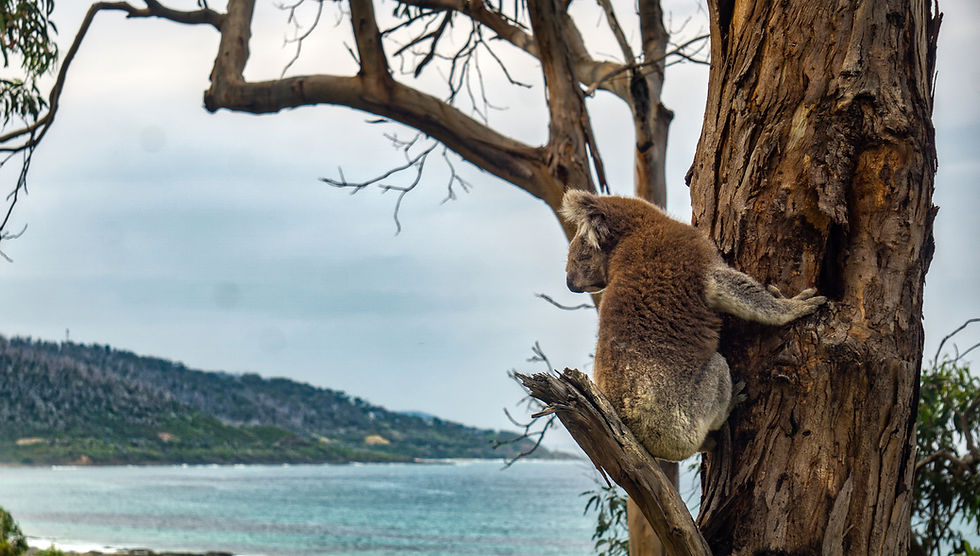
Drive: about 3 hours, 170 km including the Cape Otway detour, plus stops
Stops: Kennett River, Apollo Bay, Cape Otway, Melba Gully
Read more: Great Ocean Road Wildlife & Scenic Detours
Day 3: The Twelve Apostles, then on to Port Fairy
From 16 October 2026, visits to the Twelve Apostles have to be booked online in advance, through the new Twelve Apostles precinct and its Keerray Woorroong Visitor Centre. Walk-ups are no longer allowed. A booking guarantees you a parking space, and entry is free until April 2027, when a visitor fee is due to start.
The booking system should ease the worst of the jams, but the slow way still applies: book a sunrise or late-afternoon slot, when the light is better and the coach tours aren't there.

Then make the savvy swap. Gibson Steps, Loch Ard Gorge, London Bridge and especially the Bay of Islands near Peterborough give you the same limestone drama with a fraction of the crowd. In Warrnambool, stop at Tower Hill, a volcanic crater reserve where emus and koalas wander free, before the short run to Port Fairy.

Drive: about 1.5 hours, 100 km, plus stops
Book: your Twelve Apostles visit at twelveapostles.org.au before you set off
Read more: The Twelve Apostles: is it worth the journey? and The Great Ocean Road's Haunted Shipwreck Coast
Day 4: A slow day in Port Fairy
Port Fairy is where this trip changes pace. It's an old whaling and fishing port of stone cottages, Norfolk pines and a working river wharf, and it's made for wandering. Walk the loop around Griffiths Island to the lighthouse at the river mouth, browse the bookshops, have a long lunch and do very little else.

Drive: none, unless you want to
Stay: a second night in Port Fairy
Day 5: Port Fairy to Portland and Cape Bridgewater
Drive west to Portland, Victoria's oldest European settlement, then out to Cape Bridgewater, one of the most dramatic corners of the whole coast. Its cliffs are some of the highest in Victoria.

The Blowholes: a two-minute walk from the car park, where the sea explodes through old volcanic rock in big swells.
The Petrified Forest: not a forest at all but hollow limestone pipes, most about 3 metres tall, that look like fossilised trunks.
The Seal Colony Walk: a clifftop walk to a colony of up to 2,500 Australian and New Zealand fur seals.
Bridgewater Bay: about 4 km of sandy beach, patrolled on weekends and public holidays from early December to Easter.

Cape Bridgewater is also on the Great South West Walk, a 250 km trail between Portland and Nelson that you can sample in short sections. Spend the night in Portland.

Drive: about 1 hour to Portland, 72 km, plus 20 minutes each way to the cape

Day 6: Over the border to Mount Gambier
Follow the coast to Nelson, at the mouth of the Glenelg River, for a paddle or a quiet hour by the water, then cross into South Australia. Mount Gambier is built around volcanic craters and sinkholes, and summer is its best season: the Blue Lake turns its brightest blue from about November to March.

Walk part of the crater rim, then go down into Umpherston Sinkhole, a garden inside a collapsed cave. Note that snorkelling and diving at nearby Piccaninnie Ponds are closed until further notice while the ponds recover from an algae outbreak, though the beach and wetland walks are still open.
Drive: about 1.5 hours direct, or a little longer via Nelson
Read more: Mount Gambier Slow Travel Guide
Day 7: Beachport and Robe
Head north-west along the coast to Beachport. Walk its 772-metre jetty, float in the Pool of Siloam, a salt lake almost seven times saltier than the sea, and drive the Bowman Scenic Drive slowly. Then finish in Robe, a heritage seaside town with a long beach, a clifftop obelisk and very good seafood.

Drive: about 1 hour to Beachport, then 45 minutes to Robe
Read more: Beachport guide and Robe guide

Going further
From Robe it's about four hours to Adelaide. If you have more time, add an inland loop to Naracoorte Caves and the Coonawarra wineries. The Limestone Coast Slow Travel Guide has the whole region.
Where to stay
Browse places to stay on Booking.com in Lorne, Port Campbell, Port Fairy, Portland, Mount Gambier and Robe. Coastal towns book out over the summer school holidays, so reserve early.
Need a car? Compare car hire across Australia on DiscoverCars. Check one-way fees if you're picking up in Melbourne and dropping off in Adelaide.
This post includes affiliate links. If you book through them, Best Bits Travel may earn a small commission at no extra cost to you.
Plan your trip
Book the Twelve Apostles: visits now need an online booking, and entry is free until April 2027.
Beat the crowds: the Great Ocean Road is busiest from Boxing Day to late January. Travel in early December or February if you can.
Drive carefully: the road between Lorne and Apollo Bay is narrow and winding, and overseas drivers should remember to keep left.
Swim safely: swim at patrolled beaches between the flags. Many beaches on this coast have strong rips.
Fuel and phone: stock up in the bigger towns; reception drops out in the Otways and along the border.
FAQs
How many days do you need to drive the Great Ocean Road to the Limestone Coast?
Allow seven days from Melbourne to Robe. You could drive it in three, but you'd spend most of your time in the car and miss Port Fairy, Cape Bridgewater and Mount Gambier.
Do you need to book to see the Twelve Apostles?
Yes. From 16 October 2026, every visit has to be booked online in advance, and walk-ups are no longer allowed. A booking guarantees parking, and entry is free until April 2027.
Where does the Great Ocean Road end?
Officially at Allansford, just east of Warrnambool, 243 km from Torquay. This itinerary follows the coast on through Port Fairy and Portland into South Australia.
Is the Great Ocean Road too busy in summer?
The famous stretch between Lorne and the Twelve Apostles is very busy over the summer holidays. Start early, book the Apostles for sunrise, and the western half past Warrnambool is much quieter.
Can you drive from the Great Ocean Road to Adelaide?
Yes. Follow the coast through Portland, Mount Gambier and Robe, and it's about four hours from Robe to Adelaide. That makes this trip a slow alternative to flying between Melbourne and Adelaide.


