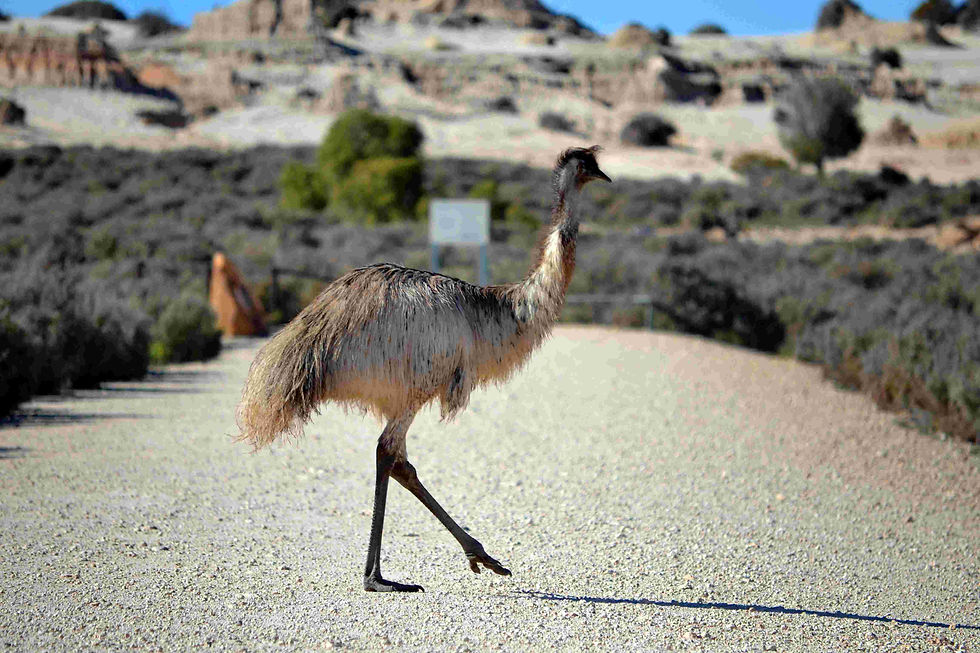


Mungo National Park: A Guide to the Walls of China & Zanci Woolshed
- Sarah-Jane Lee
- 2 days ago
- 3 min read

Updated: 1 day ago
An Australian outback travel experience from the Walls of China to Vigars Well.





📍 1. The Entrance:
Your experience starts at the Mungo Visitor Centre road entrance. Exit your vehicle and absorb the quiet stillness of the dried-up Willandra Creek. This is the beginning of slow travel into the World Heritage Site. As you wander the creek bed, remember: you are the guardian. Inscribed in 1981 for both its outstanding natural and cultural values, any objects found here are part of the archive. Look, but never remove
Mungo Visitor Centre
Recalibrate your perspective. Check our Holiday Reboot: Why Local? archive to understand why the backyard holiday is the ultimate trend."
💡 TIP: Explore the Mungo Visitor Centre surroundings and wonder at the lives of those whose Ice Age footprints were captured over 20,000 years ago. While the prints are a "recent" 20,000 years, the Mungo Lady and Mungo Man skeletons found nearby date back over 40,000 years, providing a baseline for the oldest continuous living culture on Earth.
📍 3. The Walls of China: The Classic Tour
Join the Discovery Tour to walk the lunette. This is the earth’s own open-access archive; the wind reveals ancient hearths, stone tools for food preparation, and fossilised fish.
Jay’s Logic: Don't just look at the sand; look at the time. This is the highest-resolution evidence of Pleistocene life in the Southern Hemisphere.
Beyond the Visitor Centre: Tracking History at Zanci Woolshed and Arumpo Dunes; Savvy Swaps
📍 4. The Zanci Pastoral Walk
You are exploring European settlement history. While most tourists stick to the Visitor Centre, the 7km (return) Zanci Pastoral Walk arrives at an intact woolshed, farmhouse ruins, and sheep pens that invoke a sense of time and place in the lives of the settlers. This is a self-guided walk.
The Zanci Historic Woolshed: Unlike the main hub, Zanci features superb, very detailed information plaques and granular settlement details. The structure was originally part of the famous, larger Mungo Woolshed but was rebuilt here in 1922.
Study the photographs of life in a semi-arid desert. Visit the Zanci Homestead ruins, featuring a "dugout" cool room and drop-log stables; 19th-century hardware designed to survive extreme variables.
Step inside the shed to feel the temperature drop. The scent of aged cypress and lanolin is a potent sensory reminder of the activity in the 1800's.
📸 PHOTO TIP: Use the aging timber window frames as a reference to photograph the immediate foreground of decaying sheep pens against the timeless Mungo dunes. (Credit: Amanda’s Field Notes).
There is little mention of Pre-European settlement and culture at the Zanci site. For a detailed understanding of early human history, spend time absorbing the stories narrated at the Visitor Centre.
📍 5. Arumpo Dunes: The Unscripted Orange Archive
Continue along Arumpo Road and push past the Science Centre and reach the Arumpo Dunes, a location that has few visitors. Unlike the pale, wind-blown silts of the main lunette, these dunes are a deep orange. Scale the shifting ridges to achieve a 360-degree view of the ancient lake bed, letting the desert wind recalibrate your sensors in a landscape that remains entirely unscripted.

📍 5. Vigars Well
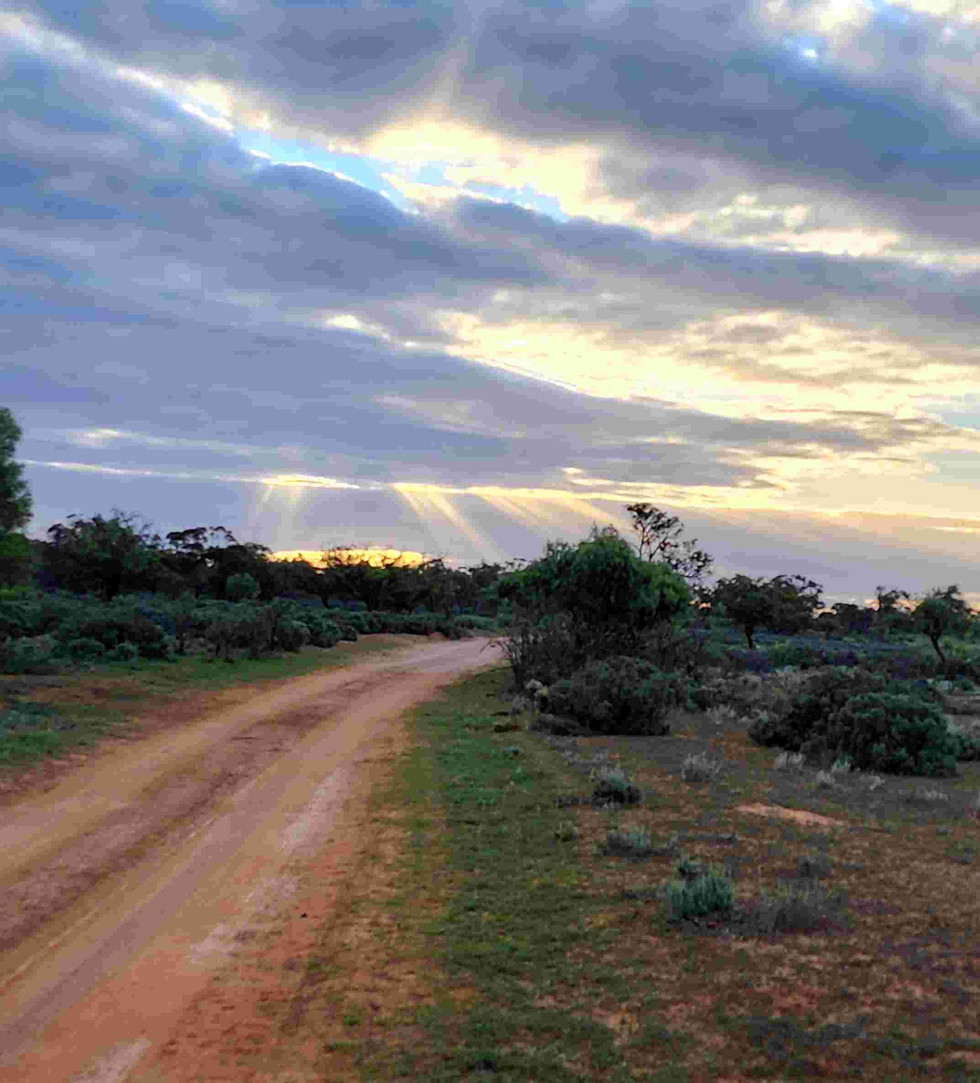
To reach this fascinating location, continue along the Mungo Self-Drive Tour loop, located approximately 40km from the Visitor Centre. The road here is unsealed, so ensure your tyre pressure remains calibrated to 25-28 psi for maximum stability. Upon arrival, your first mission is to peer into the soak at Vigars Well. In this semi-arid landscape, water is the ultimate life-sustaining variable. Vigars Well is a permanent soak, which served as a critical refuelling node for Cobb & Co. stagecoach routes. The well continues to be a survival point for local wildlife, as well as a sacred resource for the traditional owners for millennia.
📍 6. The Sunset Ridge, The Ultimate Sensory ROI
Scale the steep, towering dunes directly behind the soak. This climb is a challenge for the lungs, but the payoff is the highest Visual ROI in the park. From the summit, watch the light spectrum shift as the sun hits the horizon. The transition from pale gold to a "Radical Orange" is a natural phenomenon that requires absolutely no filters. Stay for fifteen minutes after the sun vanishes to witness the first nodes of the Glowmad nocturnal archive appearing over the vast, ancient lake bed.
TIP: Carry a torch to assist in making your way safely back down the dunes following your footsteps up the steep sandy dune slopes. If you’ve mastered the Mungo stars, compare the dark skiy to the Victoria Dark Skies Guide for your next nocturnal mission.


